

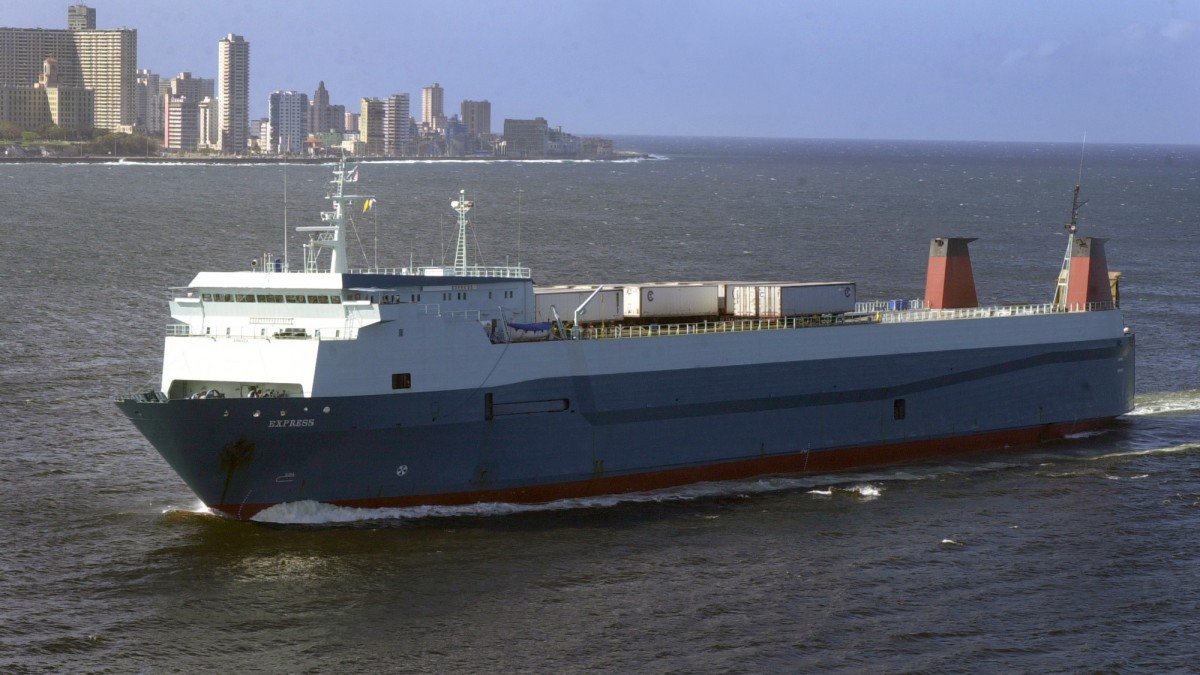
(MintPress) – The embargoed island of Cuba has received a shipment of humanitarian supplies from the U.S., the first of its kind in over 50 years. The small cargo ship left Miami, Fla. on Friday July, 14 carrying food, medicine and clothing, all much needed by a civilian population left isolated because of a crippling U.S. trade embargo. The International Port Corporation has been granted a special license by the U.S. Treasury Department to begin trading with Cuba, the first U.S. company to be granted such a permit since 1962. The move has been welcomed by many in the U.S. and Cuba as a small but significant step toward a full normalization of economic trade between the two nations.
Weekly aid shipments
Corporate spokesmen for the International Port Corp. have heralded this as a “wonderful event,” as the company has said the Miami community is largely supportive of the shipment. The shipping corporation plans to continue making weekly shipments to the island every Wednesday, a goodwill gesture that will bring much needed supplies to the isolated Caribbean island.
The cargo consists of goods from charitable and religious organizations. Additionally, Cuban-American citizens can ship packages to friends and family on the island. International Port Corp. charges $6 per half kilogram of cargo.
The move is consistent with earlier efforts by the Obama administration to re-establish ties with Cuba. However, relations between Havana and Washington have also improved marginally because of privatization and an array of unprecedented market oriented reforms.
Privatization and economic liberalization
In 2011, the Cuban government announced the privatization of property, a first for the avowedly Socialist country. Since the Cuban revolution in 1959, the government has maintained strict control of the economy, and ownership of private property, including homes, has been virtually non-existent during this time.
However, the decision to open a small private sector for small business owners in 2011 has been interpreted by some as a visible crack in the historically socialist, state-run economy of Cuba. Many conservative American analysts, including Philip Peters at the Lexington Institute, say that legalizing the possession and sale of private property is the most significant development during Raul Castro’s administration.
With the Cold War long over and no significant security threat posed by the Cuban state, public opinion has shifted largely in favor of diplomatic outreach and an easing of the restrictive trade embargo.
Fewer restrictions under Obama
An Agnus Reid public opinion poll conducted in February 2012 found that 62 percent of Americans believe the U.S. should re-establish diplomatic relations with Cuba. Only 23 percent of respondents in the poll were opposed to re-establishing diplomatic relations.
Additionally, 51 percent of Americans now believe that it is time for the U.S. to lift the economic trade embargo, according to the same opinion poll.
While the majority of Americans support developing a new relationship with Cuba, few changes have been implemented to bring about an economic and political revitalization. However, President Obama, more than previous U.S. presidents, has made some modest but important changes in travel policies.
U.S. citizens can now travel to the island with sanctioned educational, cultural and religious groups that receive proper licensing from the U.S Department of state. The Treasury Department began issuing “people to people” licenses for U.S. citizens traveling to Cuba in early 2011.
Additionally, Cuban Americans can now send unrestricted money wire transfers to relatives, a measure that will go a long way in helping the ailing Cuban economy. The move is significant considering 80 percent of the 1.5 million Cubans living abroad reside in the U.S.