

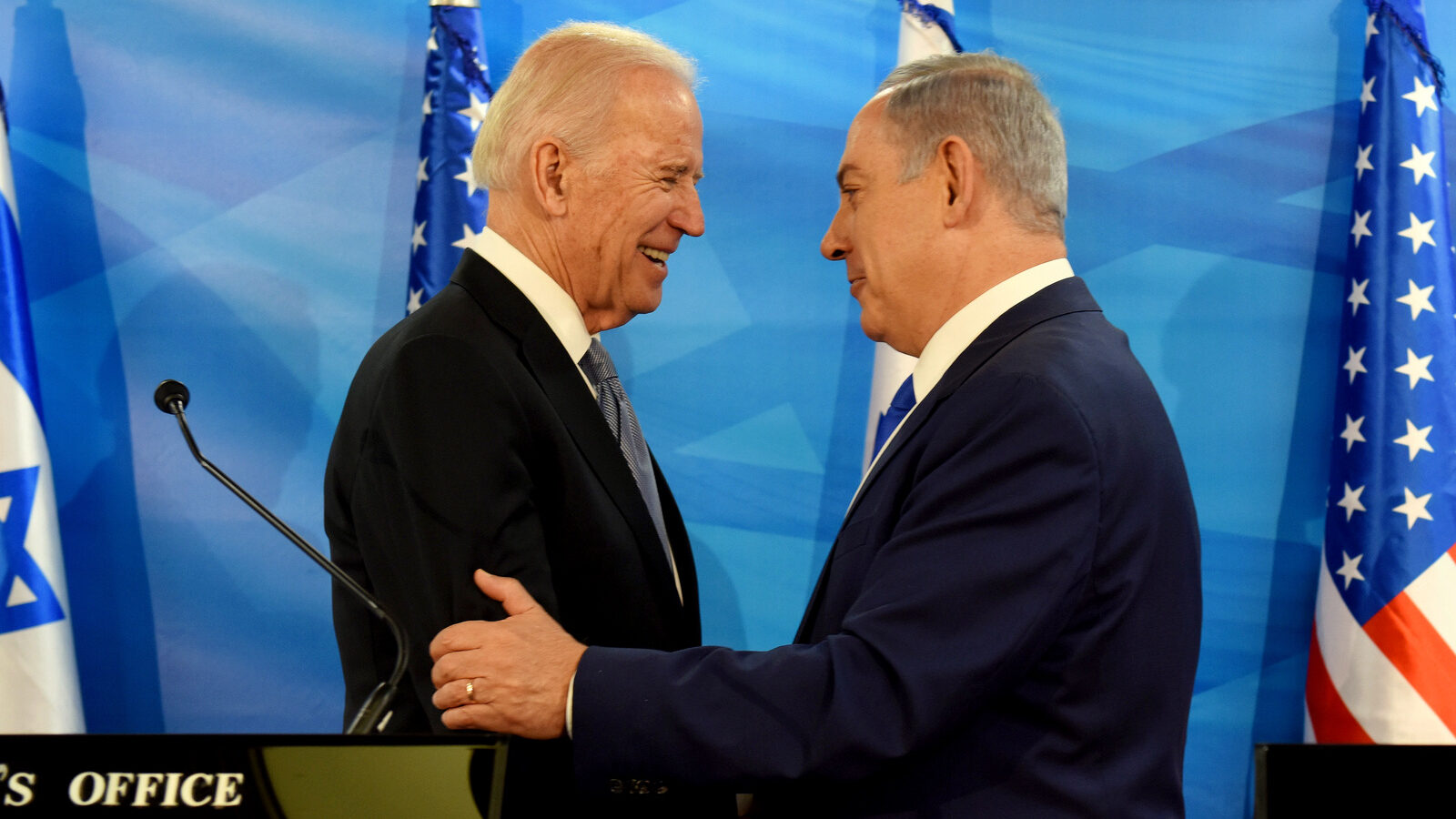
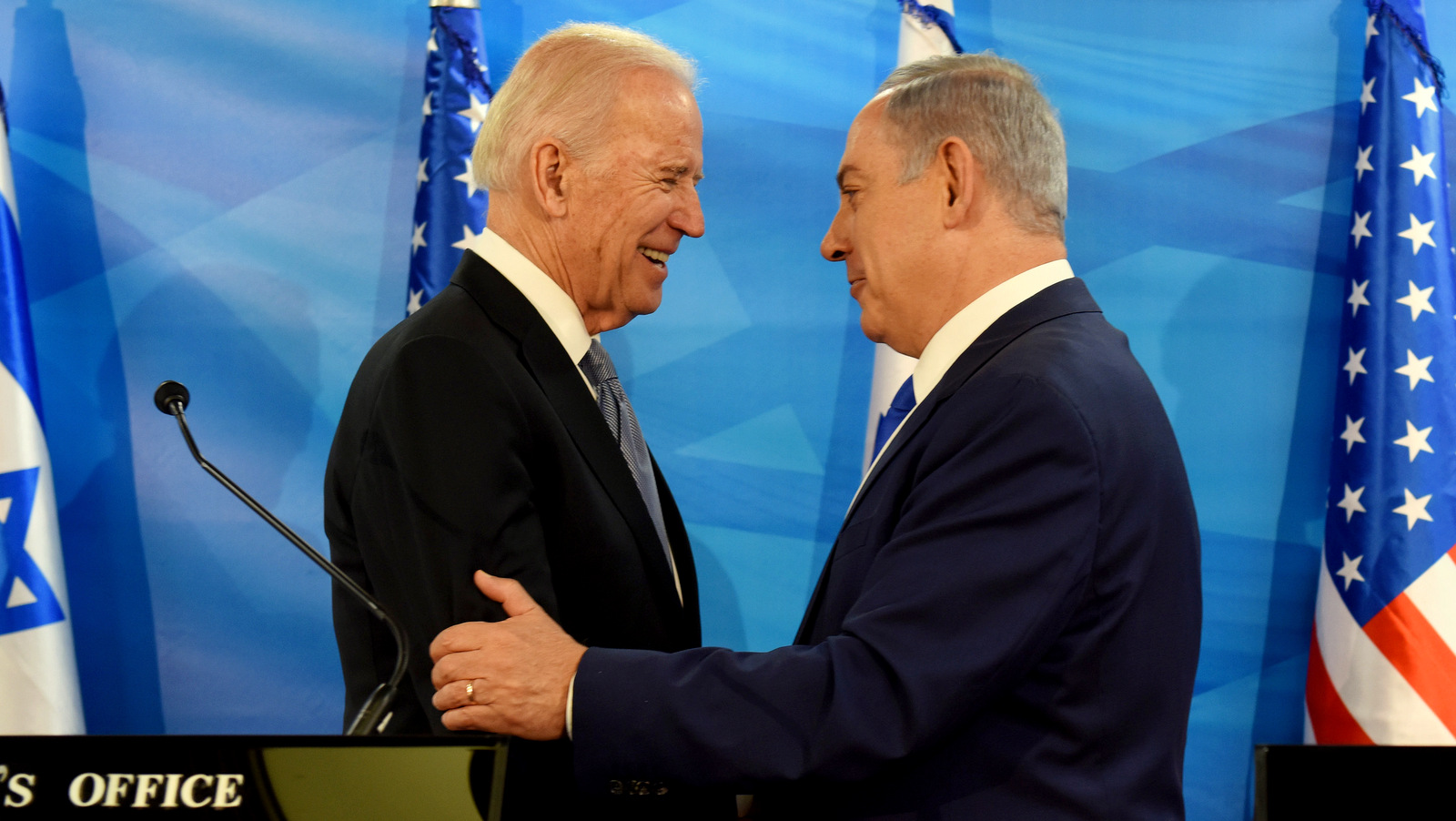
Whatever the size of the next US military aid deal to Israel, a 10-year package to cover 2019-2028, Israel will still be the largest recipient of US funding, and it will still be the largest package they’ve ever gotten. That said, Israel is increasingly realizing they could’ve gotten more.
During the period around the signing of the P5+1 nuclear deal with Iran, the Obama Administration was desperate for some sign of acceptance from the Netanyahu government, and was offering huge deals. Netanyahu, irked by the Iran diplomacy, refused to even talk, insisting he wanted to wait until Obama was out of office.
It’s a mistake analysts say is coming back to haunt him. Israeli expectations for $50 billion over the next decade are now far out of the realm of reality, and even their reduced demands for $40 billion are looking a bit tough to realize, with Israel seen to be in a much weaker bargaining position.
There are multiple reasons for that, but the main one is the realization that waiting for a post-Obama deal, after eight years of acrimony between Netanyahu and the US president, could well further cement Israel as a partisan issue in the eyes of many Americans, particularly if Netanyahu makes a deal in 2017 with a Republican.
That’s got Netanyahu convinced he needs to make the deal ASAP, but mid-way through 2016, the clock is ticking, and the Obama Administration has more leverage to keep the deal smaller.
There was intense debate around the time of the Iran deal between the Israeli Defense and Finance Ministries on the matter, with many in the military arguing they’d be better off getting what they could as soon as they could. Instead, Israel waited, and instead of replacing a $30 billion deal with a $50 billion, they may get an increase of less than half that.
Copyright © Antiwar.com 2016